HOW TO ENJOY BONSAI
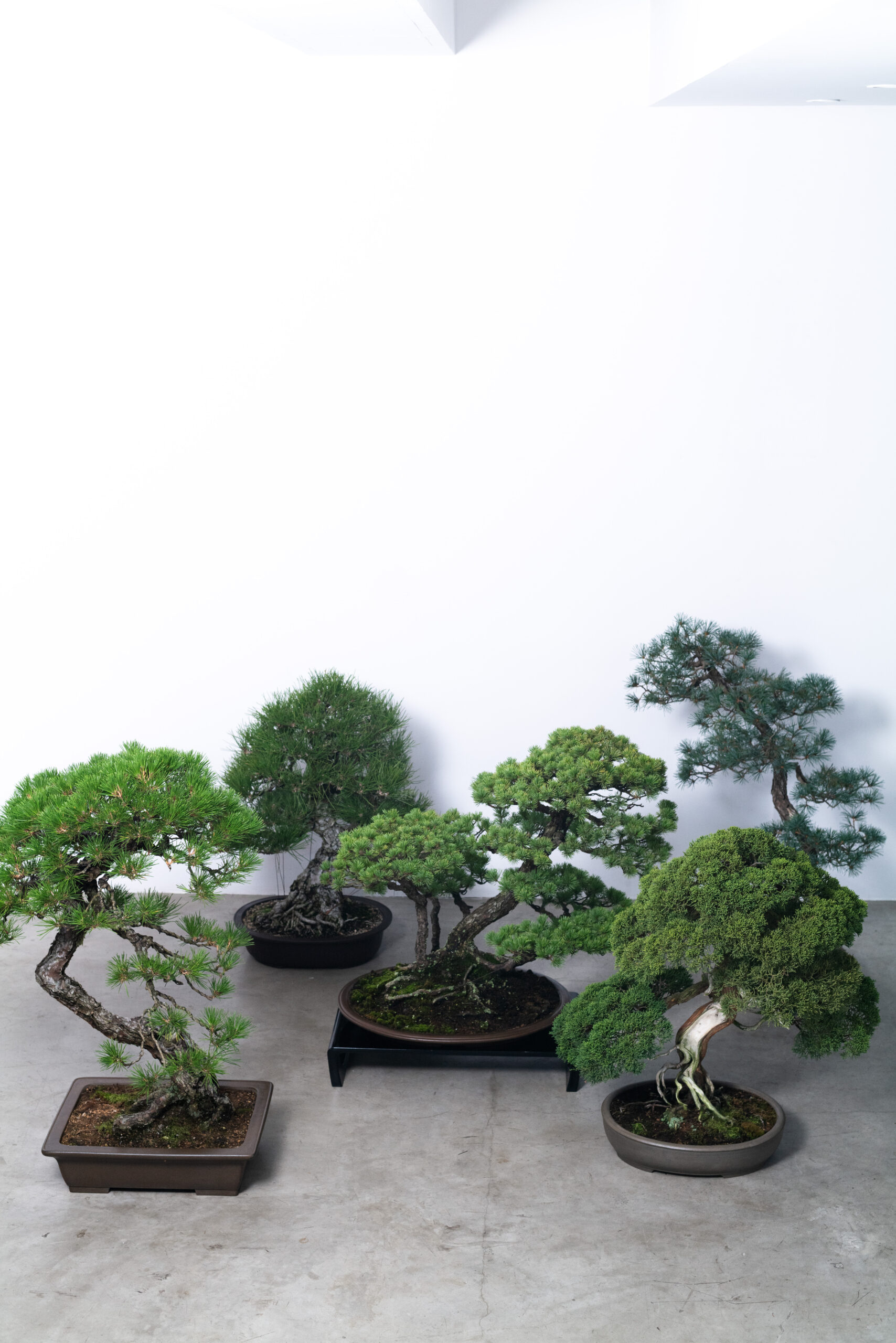
Bonsai is born from the harmony between the pot (“BON”) and the tree (“SAI”).
It captures nature in a small vessel and grows with the passing of time — this is the true charm of bonsai.
Its roots trace back to the ancient Chinese art of penjing, which expressed landscapes within a vessel.
Bonsai was first introduced to Japan during the Heian period. It became part of everyday life in the Edo period. Today bonsai are cherished worldwide as one of Japan’s cultural traditions.
At TOMOBONSAI, we interpret this tradition through three simple steps:
“Create,” “Nurture,” and “Display.”
Imagine the future form, embrace daily changes, and bring bonsai into your living space — each step adds a gentle light to your everyday life.
CREATE
Observe the tree, shape it, choose a pot, and express the landscape you envision.
NURTURE
Feel the changing seasons and spend time growing together with your bonsai.
DISPLAY
Bring a piece of nature into your home and discover your own way to enjoy it.
BONSAI STYLES
Bonsai design is more than shaping a tree — it’s about expressing nature within a small world.
From the upright form that conveys strength to the cascading style that evokes flowing water, each design carries its own story and sense of balance.
模様木
Informal Upright
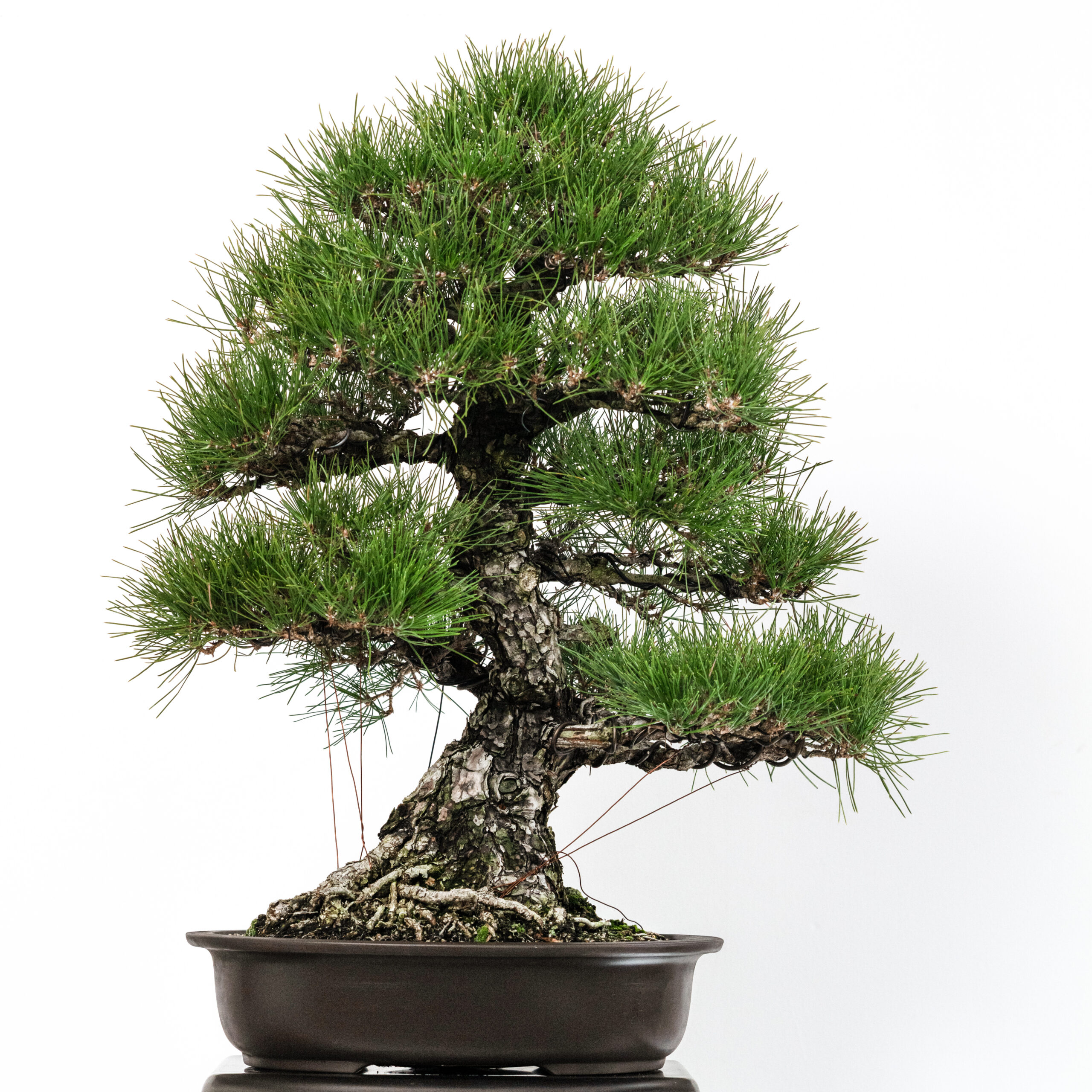
A gently curved trunk that reflects the natural flow of wind and growth.
斜幹
Slanting
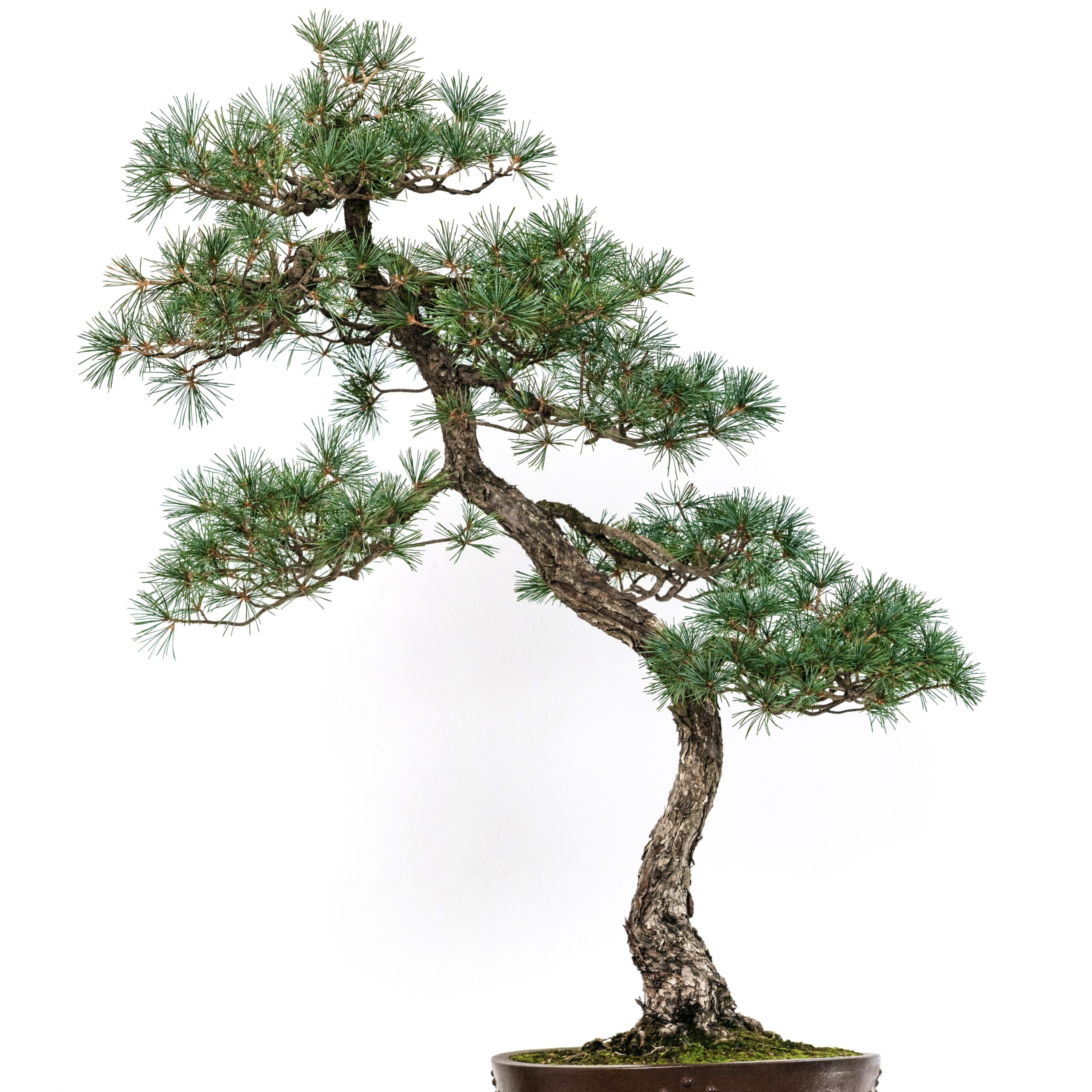
The trunk leans gracefully, evoking a tree shaped by the wind yet firmly rooted in the earth.
寄せ植え
Group
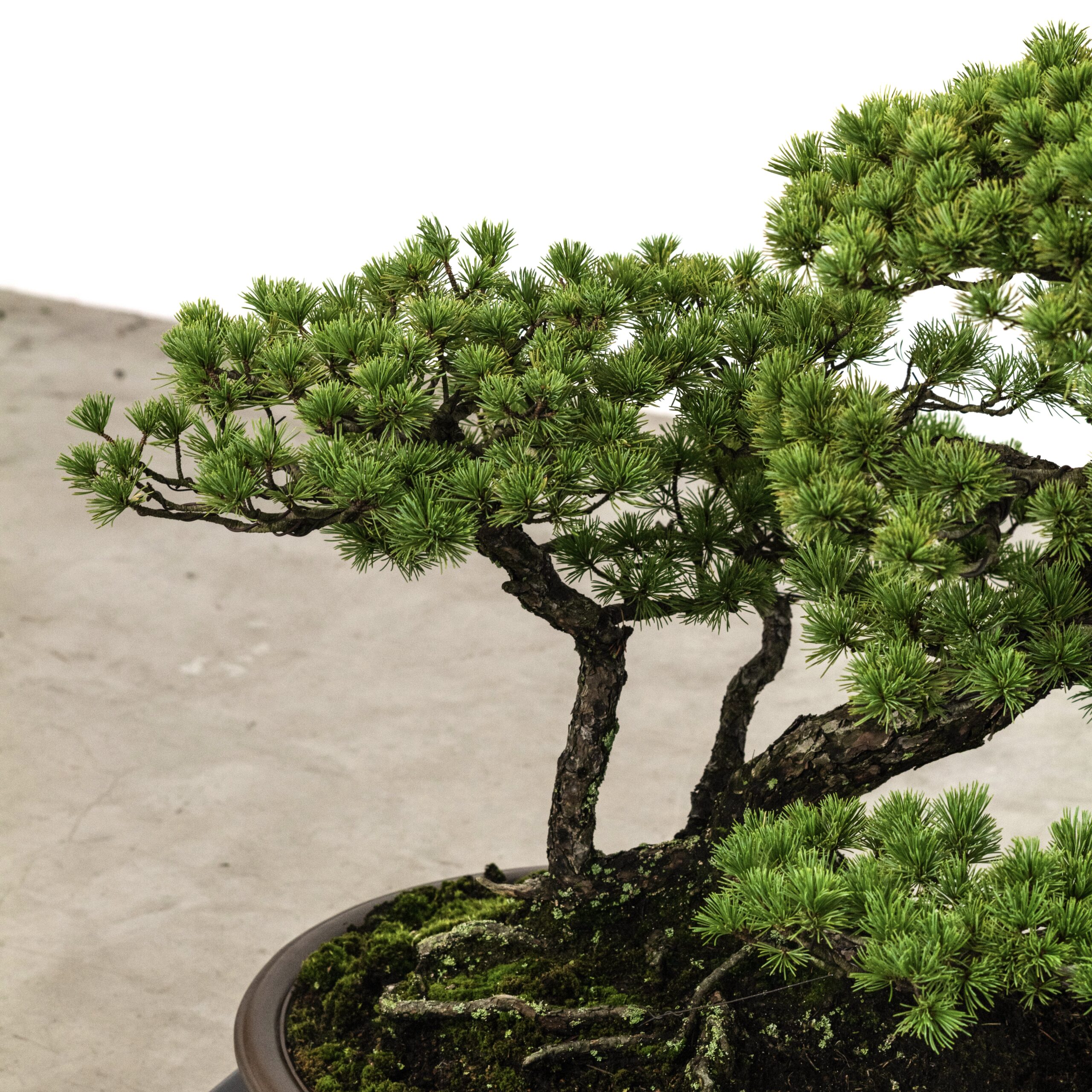
The trunk descends just below the pot’s rim, offering a calm and balanced impression.
半懸崖
Semi-cascade
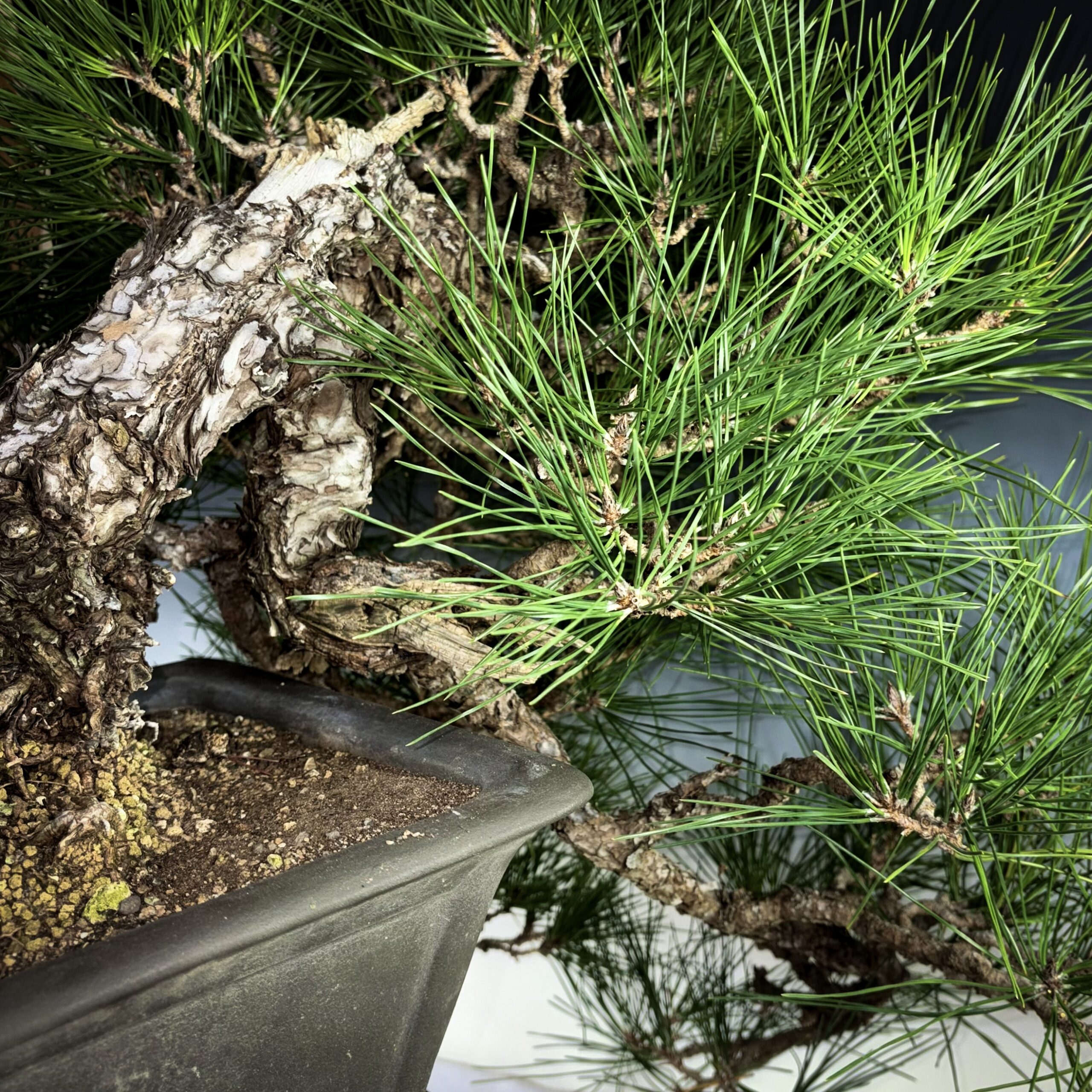
The trunk leans gracefully, evoking a tree shaped by the wind yet firmly rooted in the earth.
TREE TYPES
Learn about the tree species commonly used in bonsai and the unique character each one expresses.
松柏類
Coniferous Trees
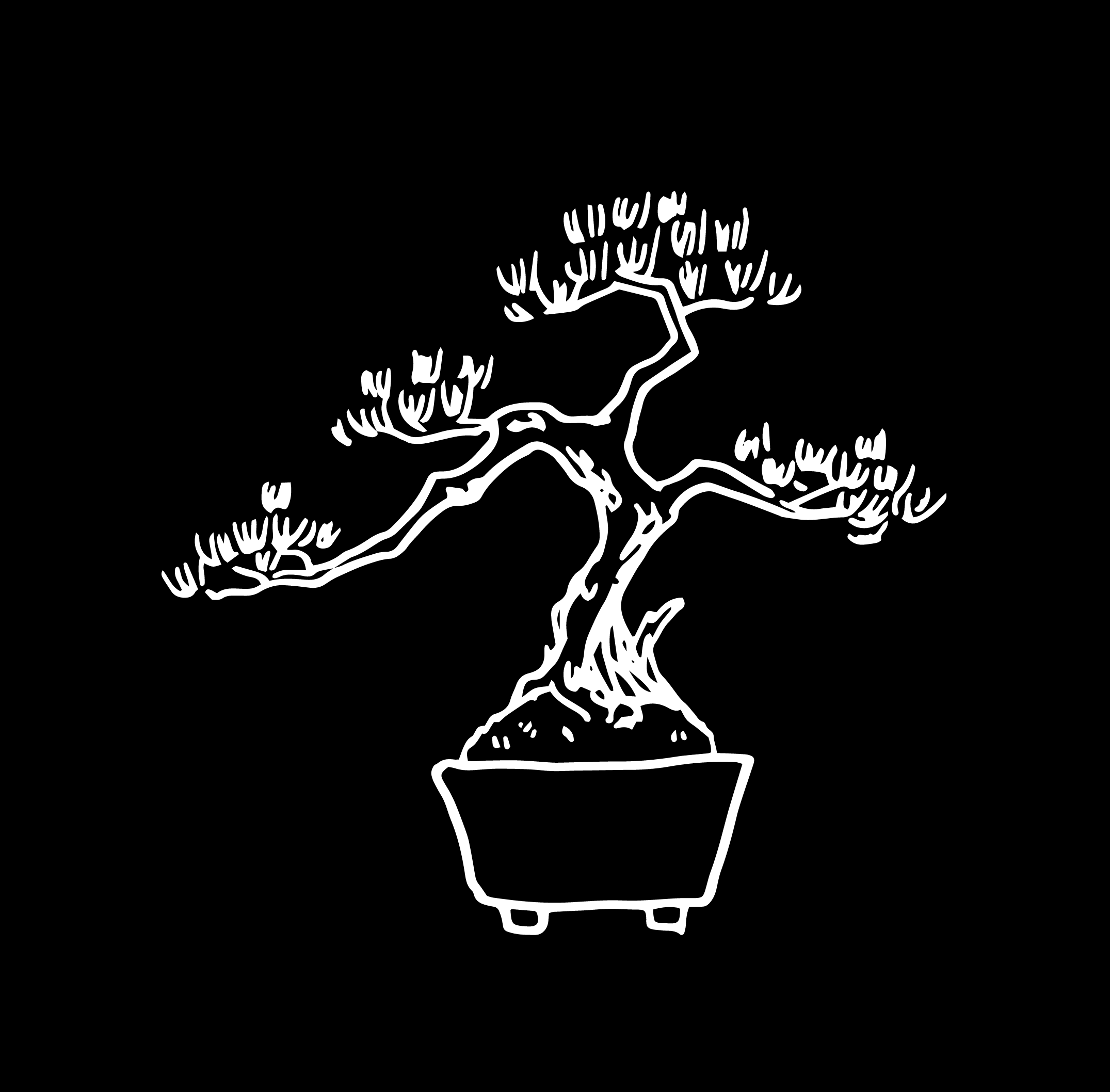
Coniferous trees such as pines and junipers admired for their strength and elegant branch lines.
雑木類
Deciduous Trees
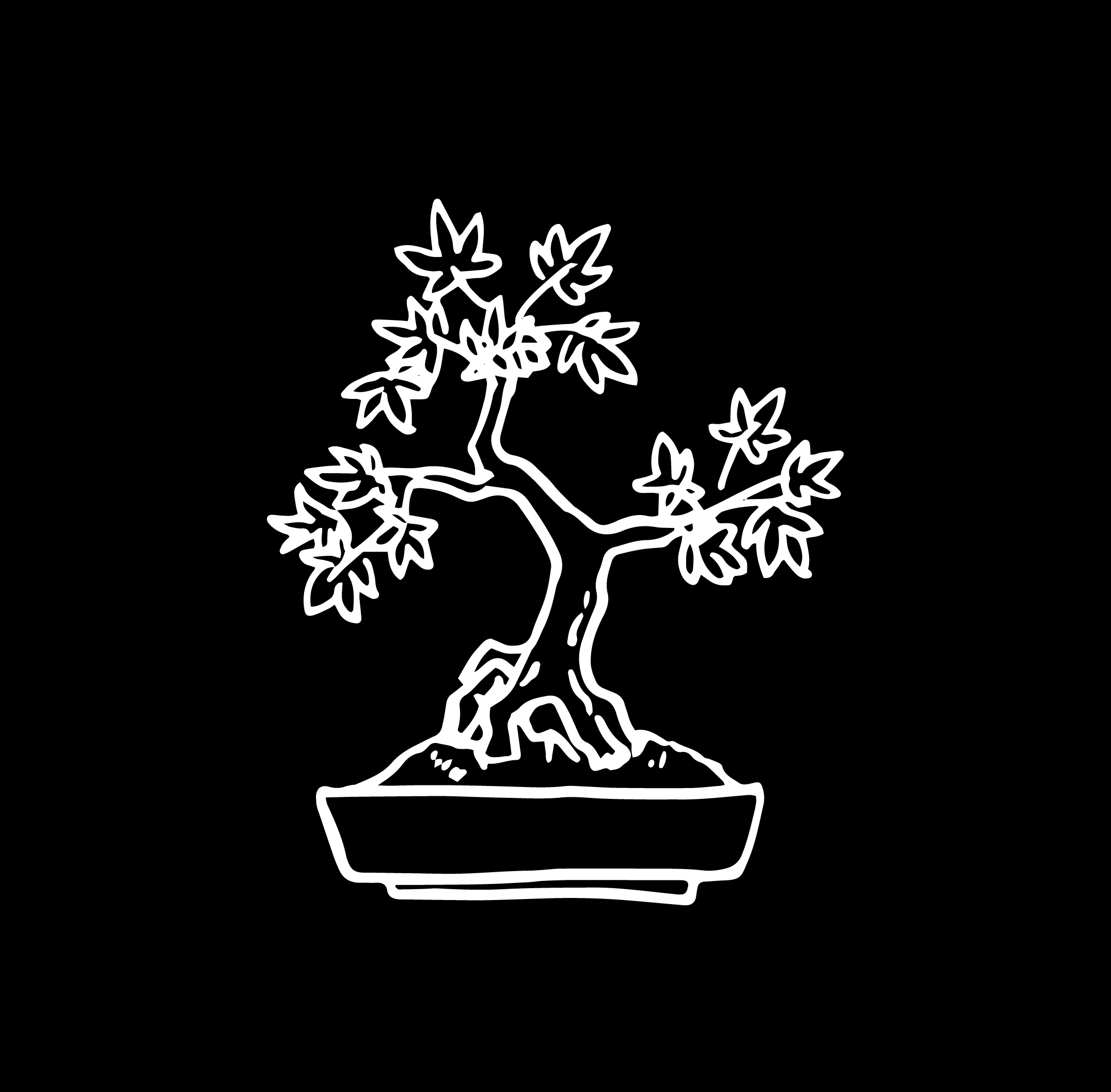
Deciduous trees like maples, expressing the beauty of seasonal change through color and form.
花もの
Flowering Trees
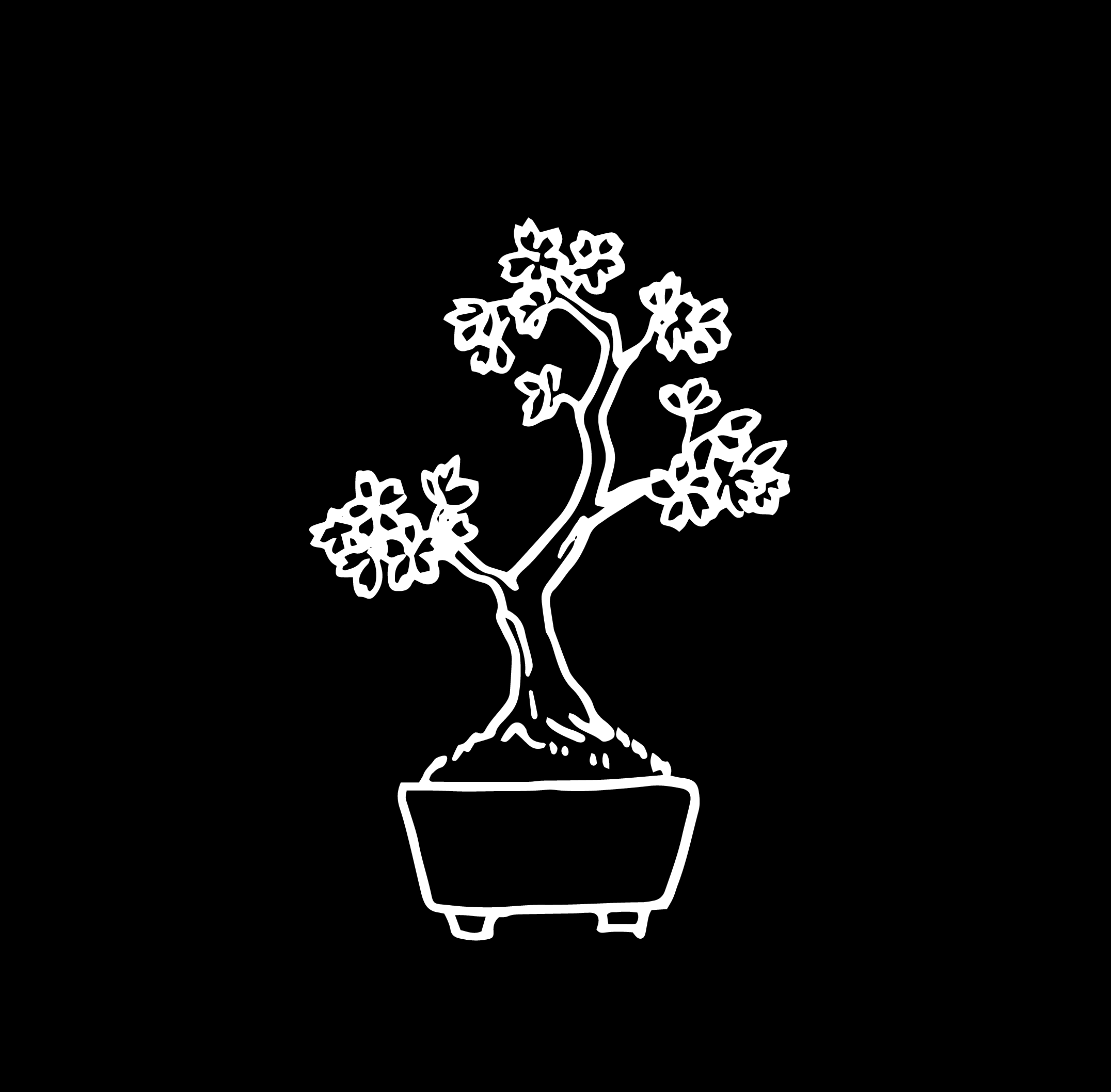
Flowering trees such as plum and cherry, bringing seasonal color and fragrance.
実もの
Fruiting Trees
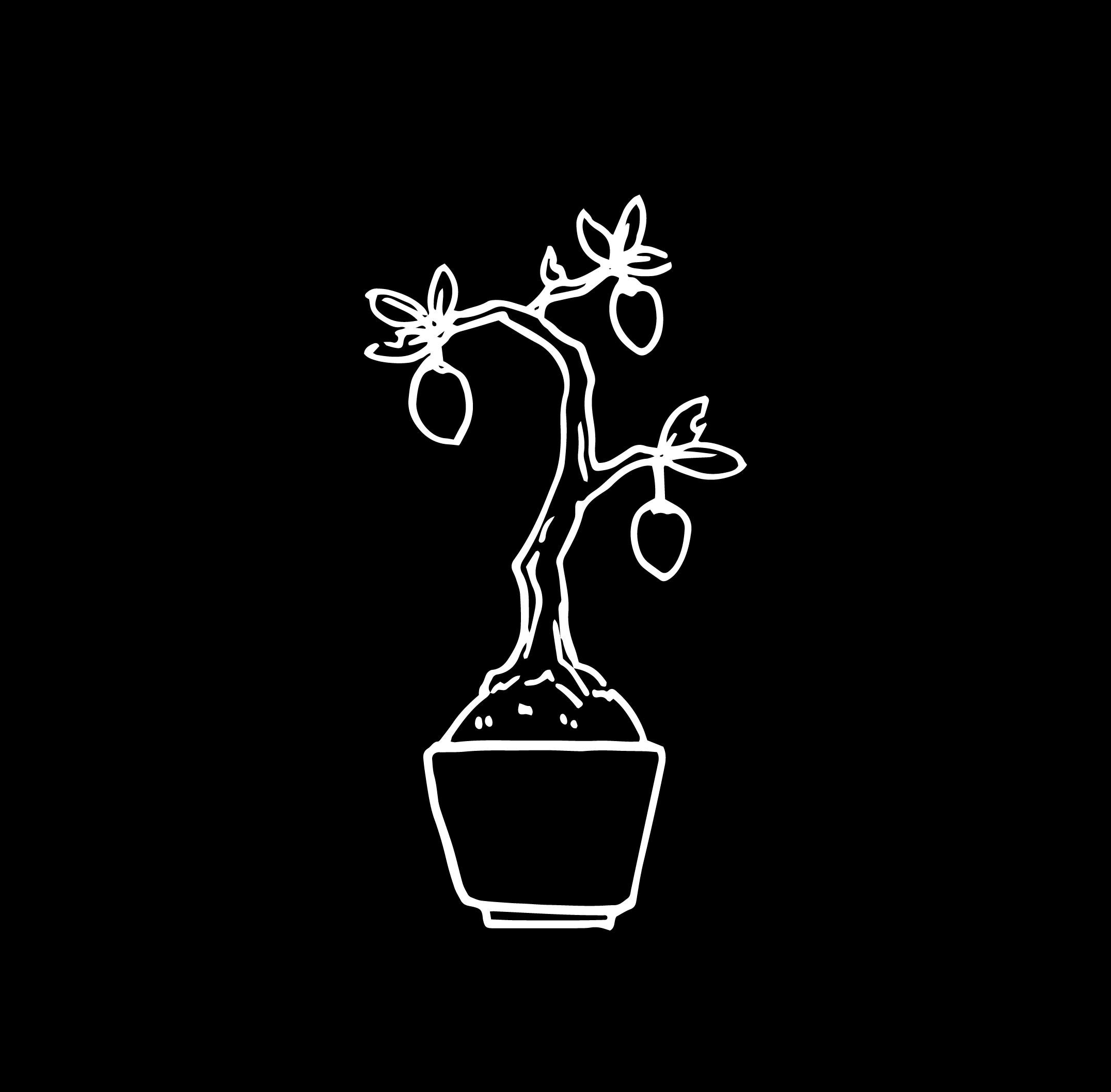
Fruiting trees like crabapple or persimmon cherished for their small, colorful fruits.
POT FORMS
The impression of a bonsai changes dramatically with the shape of its pot.
Round, rectangular, oval, square, hexagonal, or medium-deep — each form carries its own expression and function.
Softness, tension, balance — these subtle differences highlight the character of the tree and create harmony as a whole.
Color, glaze, surface texture, and even the height of the feet further influence its mood.
丸鉢
Round Pot

A soft, gentle form that complements flowering and fruiting bonsai.
角鉢
Rectangular Pot

Clean lines express strength and elegance.
浅鉢
Shallow Pot

Evokes a sense of openness and horizon.
中深鉢
Medium Pot

Balanced depth that grounds and supports the tree.
釉薬あり
Glazed Pot

Glossy and refined, adding brightness and charm.
無釉
Unglazed Pot
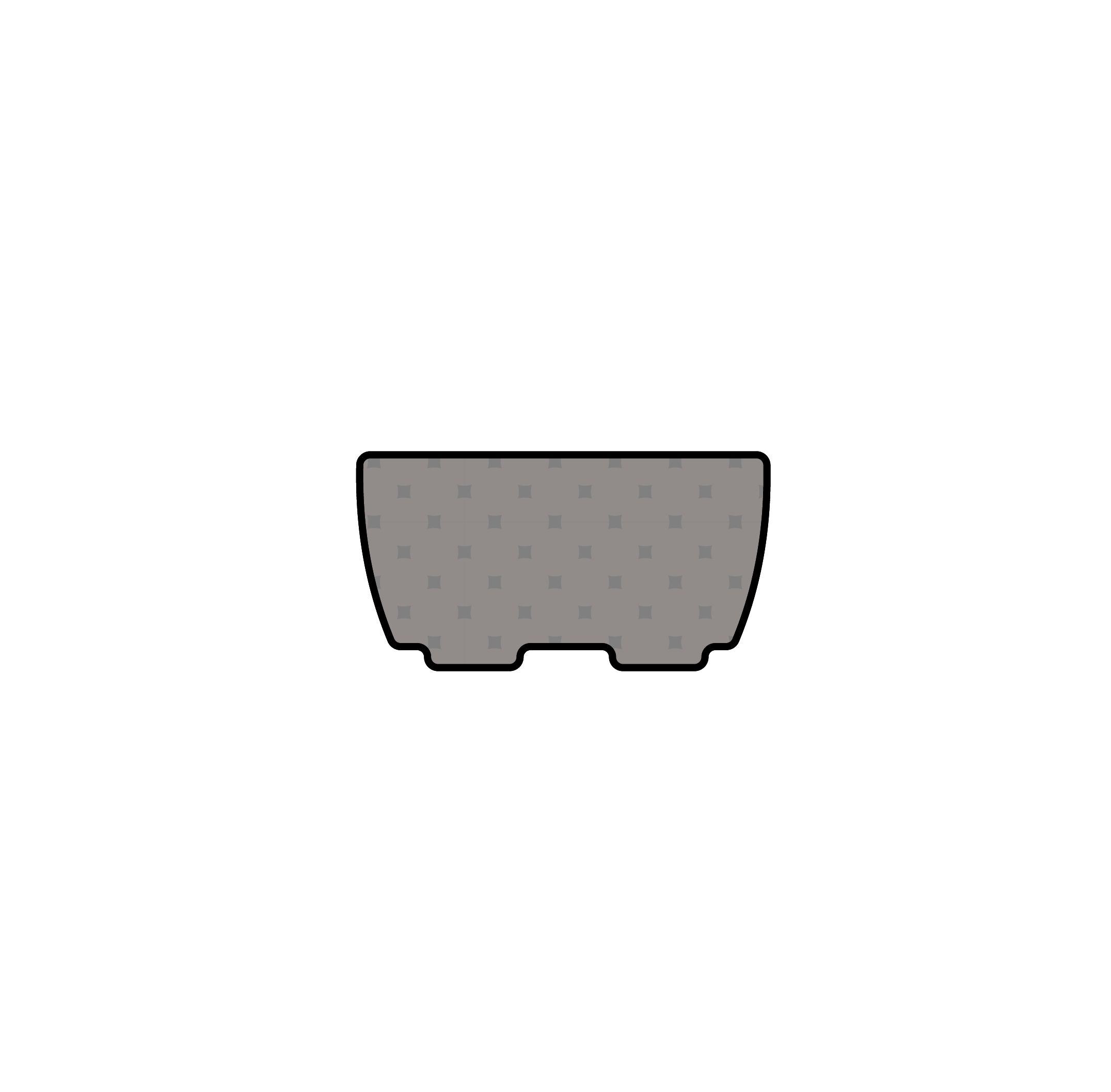
Matte and earthy, celebrating the raw texture of clay.
As a beginner it was easy to get started on the the bonsai I have long wanted to grow.